Delhi-NCR Air Pollution: Supreme Court Declines Urgent Hearing — Impact, Concerns & What Comes Next
Introduction
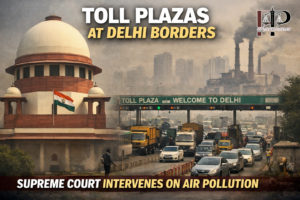
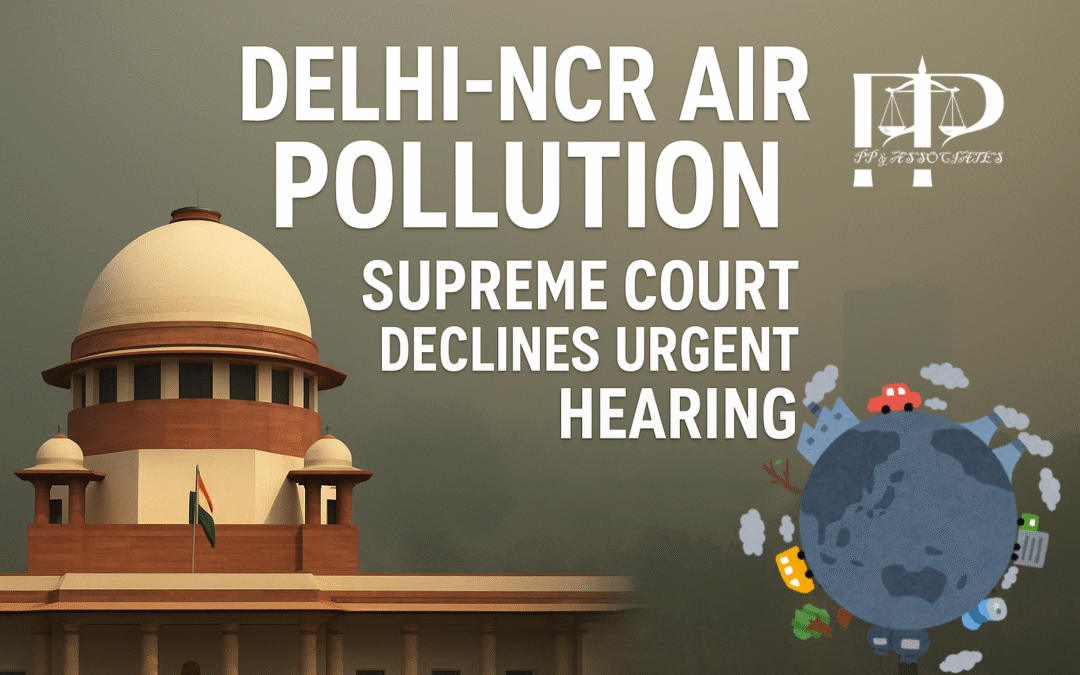
Delhi-NCR continues to suffer from severe air pollution, with air quality touching hazardous levels during the winter months. As citizens look for strong intervention from authorities and the judiciary, a recent development has sparked discussion: the Supreme Court declined a request to urgently list the Delhi-NCR pollution case for a Monday hearing.
This decision has drawn attention to how environmental issues are managed at the judicial and administrative levels.
Supreme Court Declines Urgent Monday Hearing
A request was made before the Supreme Court to urgently list the ongoing Delhi-NCR air pollution matter. The counsel highlighted the rapidly worsening air quality and the need for immediate judicial oversight.
However, the bench noted that it was already engaged in scheduled hearings for other important constitutional matters and could not accommodate an additional urgent listing. The pollution case has therefore been posted for hearing on a later date.
Why This Matters
1. Public Health at Risk
Delhi-NCR frequently records hazardous PM2.5 and PM10 levels, putting millions at risk—especially children, senior citizens, and people with respiratory illnesses. Each day of delay in implementing strong measures impacts public health.
2. Administrative Preparedness Under Question
The effectiveness of agencies responsible for air quality management often depends on timely directions from courts. Delays can slow enforcement, data monitoring, and implementation of emergency pollution-control measures.
3. Winter Worsens Pollution
With seasonal factors such as:
- stubble burning,
- construction dust,
- vehicular congestion, and
- low wind movement,
Air quality deteriorates rapidly. This makes timely intervention critical.
What Happens Next?
The matter will be taken up on its scheduled date. It is expected that authorities such as the Central Pollution Control Board (CPCB) and the Commission for Air Quality Management (CAQM) will present updated compliance reports and propose stronger measures.
Environmental activists and citizens hope the hearing will lead to:
- stricter enforcement,
- real-time monitoring,
- immediate restrictions during severe AQI periods, and
- accountability for non-compliance.
Impact on Residents
Until concrete orders are passed, residents should continue adopting safety measures such as:
- wearing N95 masks outdoors,
- using indoor air purifiers,
- avoiding outdoor exercise,
- Keeping windows closed during early morning/evening when pollution peaks.
Conclusion
The Supreme Court’s decision to postpone an urgent hearing highlights the balance the judiciary must maintain between multiple national issues. However, with Delhi-NCR’s air quality worsening each year, timely and strong intervention remains crucial. The upcoming hearing will be critical in determining whether immediate action will be taken to protect public health during this high-risk period.